Carbon Fiber vs Wood Pool Cue Shafts: Which Is Better?

The carbon fiber vs wood pool cue shaft debate gets loud online, and most of it is oversimplified. Carbon fiber is not better at everything, and maple is not just for nostalgics. The honest answer depends on how you play, how much you spin the ball, and what you want your shaft to feel like.
Here is a point-by-point comparison so you can decide for yourself.
The Short Version
Carbon fiber wins on consistency, deflection, and warp resistance. Wood wins on tradition, a familiar feel, and lower entry cost. Neither wins on "feel" outright — that is personal.
If you want the deep dive on why carbon fiber behaves the way it does, see our best carbon fiber pool cue shaft guide.
Deflection
This is the biggest real-world difference. A carbon fiber pool cue shaft has a lower front-end mass, which means less deflection (squirt) when you apply side spin. Less squirt means less compensation, which generally means more accurate position play.
A well-made maple shaft can be tuned for lower deflection — drilled, thinned, or fitted with a ferrule design that reduces front mass — but it cannot match the engineered precision of carbon fiber. If you rely heavily on english, carbon fiber has a genuine edge.
Feel
Feel is where wood still has loyalists, and for good reason. Maple has a warmth and a give that many players love. It transmits the hit in a way that feels organic. Some carbon fiber shafts, especially early or cheaply made ones, can feel hollow or clicky.
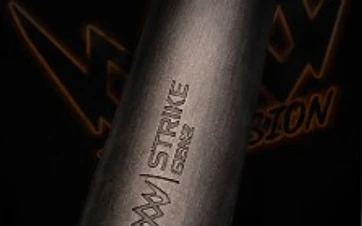
That said, modern high-quality carbon fiber has closed this gap. A well-engineered carbon shaft feels solid and connected, not dead. The key is build quality. This is also why we design our Gen2 Carbon Fiber Shaft around a solid hit rather than chasing the lightest possible front end.
Maintenance
Wood requires more attention. Maple shafts should be cleaned, occasionally burnished, and kept away from moisture and temperature swings. They can absorb humidity and change feel slightly with the weather.
Carbon fiber is low maintenance. Wipe it down, keep it cased, and it plays the same in any climate. For players who travel or play in different rooms, that consistency is a real advantage.
Warp Resistance
This is not close. Carbon fiber shafts do not warp under normal conditions. Maple can — and eventually does, even with good care, especially if stored poorly or exposed to humidity cycles over years.
If you have ever had a favorite shaft slowly go crooked on you, you understand the value here.
Consistency
Two carbon fiber shafts from the same production line play nearly identically. Two maple shafts, even from the same maker, can feel different because no two pieces of wood are identical.
For a player who wants a backup shaft that plays exactly like their primary, carbon fiber is the practical choice.
Durability
Carbon fiber resists dings, scratches, and the everyday knocks that mark up wood. It will not dent the way maple does when it takes a hit against a table or a chair. Over years of play, carbon fiber tends to look and play newer for longer.
Cost
This is where wood still holds ground. Good maple shafts are available at lower price points, and a quality maple shaft is a perfectly legitimate choice for budget-conscious players.
Carbon fiber costs more because the engineering and materials are more involved. The value argument is longevity and consistency — you pay once and the shaft stays true for years. If you play often and competitively, the cost per session is low over the shaft's life.
Who Each Type Is Best For
Choose wood if:
- You are on a tighter budget.
- You love the traditional feel of maple.
- You play casually and do not depend on extreme spin.
Choose carbon fiber if:
- You play competitively and need predictable deflection.
- You rely on english and position play.
- You travel or play in varying climates.
- You want one shaft that stays consistent for years.
Our Take
We believe carbon fiber provides major advantages for modern competitive players — that is why we build them. But we respect maple. A great maple shaft in the right hands is a serious tool, and we would never tell a player who loves their wood shaft that they are wrong.
Where we landed is a shaft that gives you carbon fiber's performance without sacrificing the solid, connected feel players expect. The Gen2 is our answer — 12.2mm, low deflection, and built to fit the cue you already own.
Gen2 Carbon Fiber Shaft - 29 inch 12.2mm
A carbon fiber shaft designed for a solid hit and ultra-low deflection — available in Uni-loc, Radial, and 3/8 x 10 joints.
Frequently Asked Questions
Does carbon fiber feel worse than wood? Not with a well-built shaft. Cheap carbon can feel hollow; quality carbon feels solid and connected. It is different from maple, but different is not worse.
Is maple still worth buying in 2026? Absolutely, especially for budget-conscious or casual players. The best choice is the one that fits your game and your budget.
Can I put a carbon fiber shaft on my existing cue? Usually yes, as long as the joint matches. Our shafts come in the three most common joint types so they fit cues you already own.
Still deciding on your overall setup? Our pool cue buying guide covers everything from shafts to joint types in one place.