How to Choose the Best Break Cue

The break is the most violent shot in pool, and it is also one of the most important. A good break spreads the rack, controls the cue ball, and gives you a chance to run out. The best break cue is not simply the heaviest stick you can find — it is the cue that transfers your energy into the rack cleanly and consistently.
Here is how to think about choosing one.
What Actually Makes a Great Break Cue
The goal of a break cue is simple: send as much usable energy as possible into the cue ball, and have that energy reach the rack. "Usable" is the key word. Raw power that sprays the cue ball everywhere does not help you. Control plus power wins.
That means a break cue needs to do a few things well at once.
Energy Transfer
A break cue should be stiff. When you hit the cue ball at full speed, you want the cue to act like a piston — energy goes forward, not absorbed into flex. Shafts that are too whippy lose energy to vibration. This is one reason carbon fiber has become popular in break cues; it is stiff and it does not permanently deform under repeated hard hits.
Cue Weight and Balance
Heavier is not automatically better. A common myth is that a heavier cue breaks harder. In reality, the cue ball only weighs about 6 ounces, and the physics favor cue speed over raw mass. Most players break best in the 18 to 21 ounce range, and many pros prefer the lighter end because they can swing faster.
The real question is what lets you generate controlled speed. If you swing a 19oz cue faster and cleaner than a 21oz cue, the 19oz breaks harder for you. Test it.
Balance matters too. A break cue balanced slightly forward can help you drive through the cue ball rather than stabbing at it.
Shaft Stiffness
A stiffer shaft keeps the hit clean and the cue ball on line. Break cues are built with stiffer tapers and often harder ferrule materials than playing cues. Carbon fiber break cues take this further — they stay stiff over years of hard hits where wood can soften or fatigue.
Tip Material
Break cue tips run from hard leather to phenolic. Harder tips transfer more energy and last longer under repeated full-power hits. Phenolic tip break cues are popular because phenolic is extremely hard and durable, producing a very crisp hit.
The trade-off: extremely hard tips can be less forgiving on miscues and can be rough on the cue ball over time. Many strong breakers land on a medium-hard leather or a phenolic-style tip depending on feel.
Control vs Raw Power
The best breakers are not the ones who hit hardest — they are the ones who hit cleanest. A square hit with controlled speed spreads the rack better than a slightly off-center bomb that sends the cue ball flying. Control gives you a playable cue ball after the break, which is what actually wins games.
Why Harder Is Not Always Better
A cue that is too stiff, too heavy, and tipped too hard can feel like swinging a brick. If you cannot swing it smoothly, you will decelerate, pull offline, or miscue. The best break cue is the one you can swing at full controlled speed with confidence.
Choosing Break Cue Weight
A simple way to find your range:
- Start around 19oz if you have a fast, whippy swing.
- Try 20oz if you want a bit more mass without slowing down.
- Go 21oz only if you have a deliberate, controlled, powerful stroke and find lighter cues too loose.
When in doubt, err toward lighter and faster.
Carbon Fiber and the Modern Break Cue
Carbon fiber has earned its place in break cues for good reason. It is stiff, it is durable, and it does not warp from the repeated shock of full-power hits. For more on why carbon behaves this way, see our carbon fiber shaft guide.
A carbon fiber break cue gives you a stiff, consistent platform that stays the same rack after rack. That repeatability is exactly what you want in a shot you take at the start of every game.
The Precision Break Cue
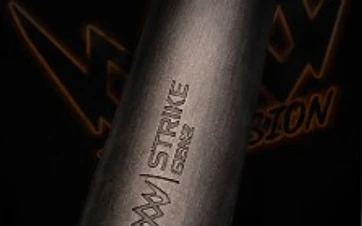
We built the Precision Break Cue around the ideas above — a stiff, controlled platform that transfers energy cleanly instead of wasting it in flex. It is designed for players who want a square, powerful break they can repeat.
Precision Break Flat Black Sports Wrap
A performance break cue engineered for clean energy transfer and a controlled, repeatable hit.
We did not chase the heaviest weight or the hardest possible tip for marketing's sake. We focused on the combination that actually helps you break square and keep the cue ball on the table.
Break Cue Buying Checklist
- Weight you can swing at full controlled speed (often 19-20oz).
- A stiff shaft that does not feel whippy.
- A tip hard enough to transfer energy but forgiving enough for your stroke.
- Balance that lets you drive through, not stab at, the cue ball.
- Durability for thousands of full-power hits.
Frequently Asked Questions
Is a heavier break cue better? Not usually. Cue speed matters more than mass. Most players break best between 18 and 21 ounces, and many prefer the lighter end.
Do I really need a separate break cue? If you break hard regularly, yes. A dedicated break cue saves your playing cue's tip and shaft from repeated full-power hits, and it lets you tune weight and tip for the break specifically.
Should I use a phenolic tip? Phenolic is extremely hard and durable, and many strong breakers like it. But it is less forgiving. Try one before committing, or choose a hard leather tip for a balance of power and control.
Looking to round out your game beyond the break? See our guide to the best jump cue and our full pool cue buying guide.